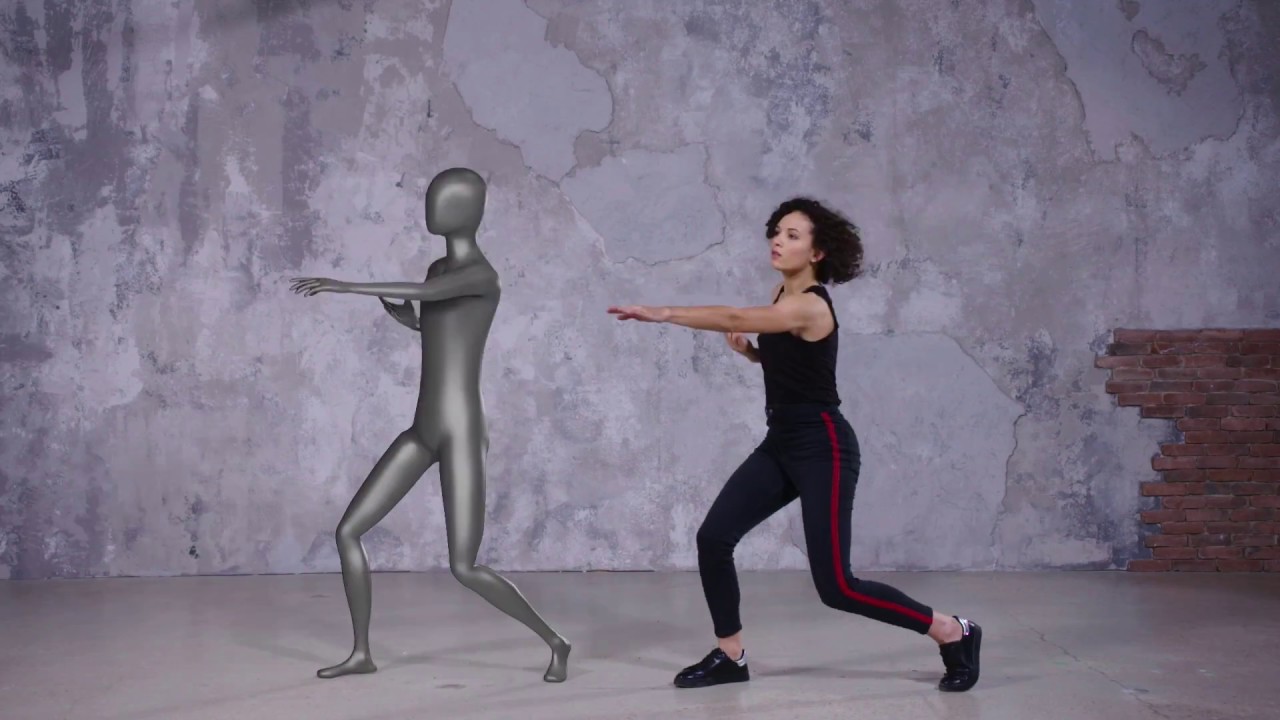
Introduction to Motion Capture
Motion capture, also known as MoCap, is a revolutionary technique that allows real-world movements to be converted into digital data. This data can then be used to animate 3D characters in games and film. Traditionally, this is achieved using high-precision cameras, markers to identify joints, or suits with integrated sensors.
The Role of Artificial Intelligence in Motion Capture
With the advent of Artificial Intelligence (AI), motion capture technology has also evolved. AI Motion Capture, or AI-mocap, leverages the advantages of AI to revolutionize traditional paradigms. AI-mocap can be utilized in two ways: AI-driven motion capture and AI-generated motion capture.
In AI-driven motion capture, artificial intelligence assists in the capture, cleansing, and application of motion data to 3D models. Through AI-powered motion detection, data filtering, 3D mapping, and asset creation, the capture and processing of motion data is significantly facilitated.
AI-generated motion capture, on the other hand, goes a step further. Here, AI creates movements independently, without requiring new physical movements. Similar to AI art generation, enormous amounts of motion data are used to train AI models and create new movements.
The Functionality of AI Motion Capture
The way AI motion capture works is similar to other AI applications. First, the AI needs to be trained. This involves inputting large amounts of data to teach the AI how to process motion data and generate corresponding outputs. Afterward, the output is evaluated and feedback is provided to drive the AI's optimization process. This process is called machine learning.
However, because motion data is extremely complex, machine learning alone is not sufficient. To further optimize the process, artificial neural networks and deep learning are used. These networks, inspired by the human brain, can evaluate and optimize the output based on requirements, thereby minimizing human intervention.
To develop a competent AI for various motion capture stages, deep neural networks should be set up, and sufficient data, time, and computational resources should be provided.
What products are on the market in the AI motion capture field?
Radikal is a company that specializes in the development of AI motion capture technologies. The company offers a range of products and services, including:
Radikal Capture: This software allows users to create 3D animations from 2D video recordings.
Radikal Studio: This cloud-based platform provides users with access to a range of tools and resources for creating 3D animations.
Move.ai is another company that develops AI motion capture technologies. The company offers a range of products and services, including: Motion Ai offers both single-camera and multi-camera solutions.
DeepMotion is another company developing AI motion capture technologies. The company offers a range of products and services, including:
DeepMotion Animate 3D: This software allows users to create 3D animations from 2D video footage.
DeepMotion Body Tracking: This software allows users to track human movements in real-time.
Plask Motion
Plask Motion is a company that develops AI motion capture technologies for the creation of 2D images. The company offers a range of products and services, including:
Plask Generative AI: This software allows users to create 2D images that reflect the pose of a 3D character.
The advantages of AI Motion Capture
AI motion capture theoretically offers a variety of advantages over traditional methods. By utilizing AI, motion capture can be performed faster, more accurately, and more efficiently. Here are some of the main advantages compared to traditional motion capture:
- AI systems do not require elaborate hardware for performance recording. An iPhone is usually sufficient.
- AI motion systems are capable of recording the movements of a larger number of people simultaneously. Traditional MoCap systems require each actor to wear a special suit.
Although AI motion capture is still relatively new and requires a lot of research and development, it has the potential to revolutionize motion capture and open up new possibilities for animation and game development.
The Future of Motion Capture
AI motion capture is undoubtedly an exciting step forward for motion capture technology. With the continuous advancement of artificial intelligence and machine learning, we will see even more sophisticated AI models and systems in the future. These will further enhance motion capture and open up new creative possibilities. It remains to be seen how AI will revolutionize the way we capture and animate movements.
Overall, AI Motion Capture offers a promising future for animation., Film production and game development. By combining human creativity with the benefits of artificial intelligence, we can create more realistic and impressive movements in our projects. It will be exciting to see how this technology evolves and what new possibilities it will offer in the future.
Artificial intelligence and motion capture are a perfect match with the potential to forever change how we capture and animate digital motion. We can look forward to an exciting future where AI motion capture will play an increasingly important role.