Introduction to the world of medical VR applications
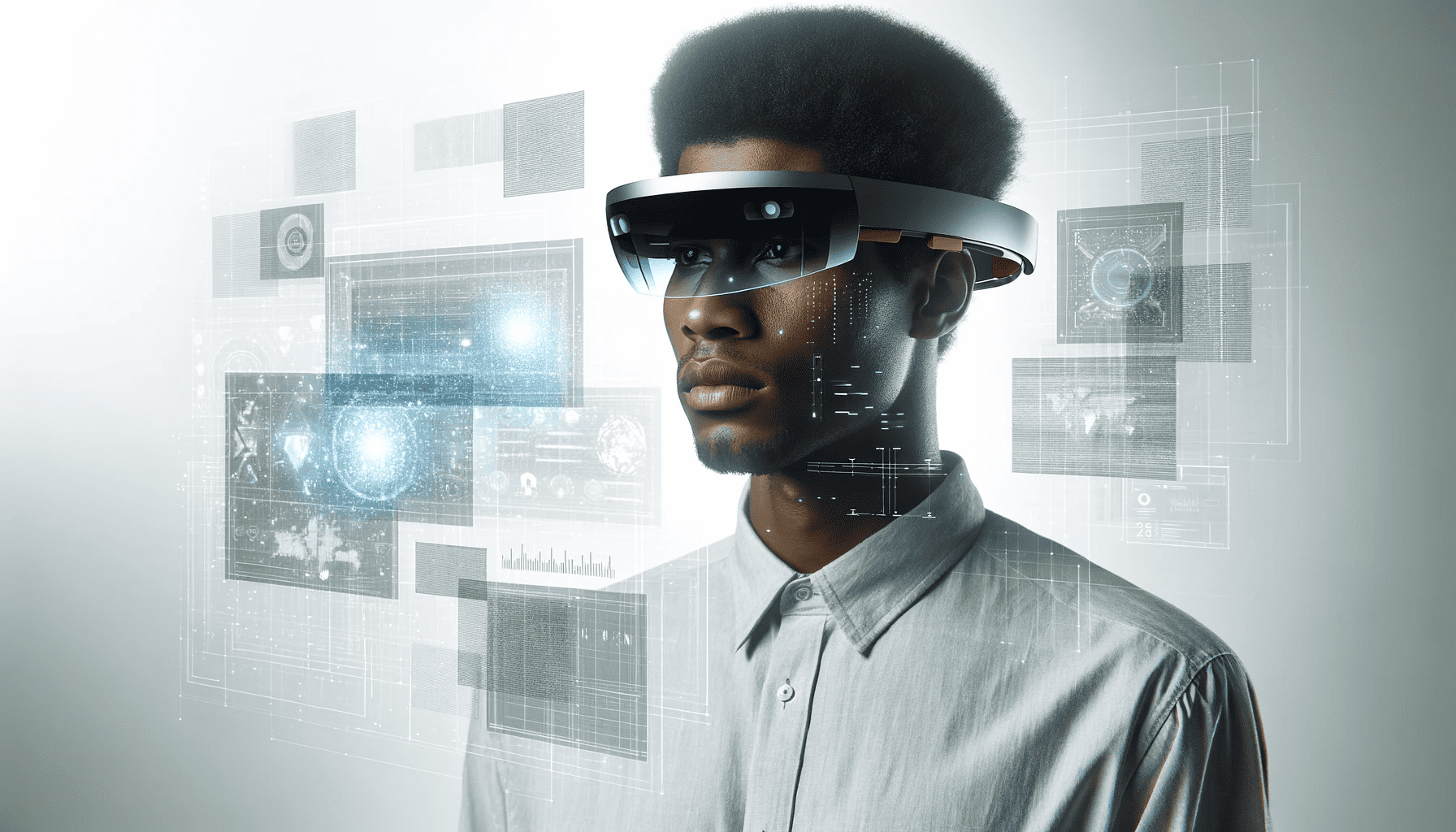
The use of virtual reality (VR) in the pharmaceutical industry has become increasingly important in recent years. This technology offers unique opportunities to present complex medical issues and the mode of action of drugs in an understandable and interactive way. By using VR, both professionals and laypeople can gain deeper insights into medical processes, which significantly improves understanding and education about various health conditions.
Use of VR to educate people about medical conditions
Virtual reality is used in a variety of ways in the pharmaceutical industry. One prominent example is the visualization of drug effects in the human body (mode of action). Pharmaceutical companies such as Pfizer and Novartis use VR to demonstrate the mode of action of their products. These visualizations help with the training of medical professionals and patient education.
VR Applications in Medicine: A New Era of Treatment
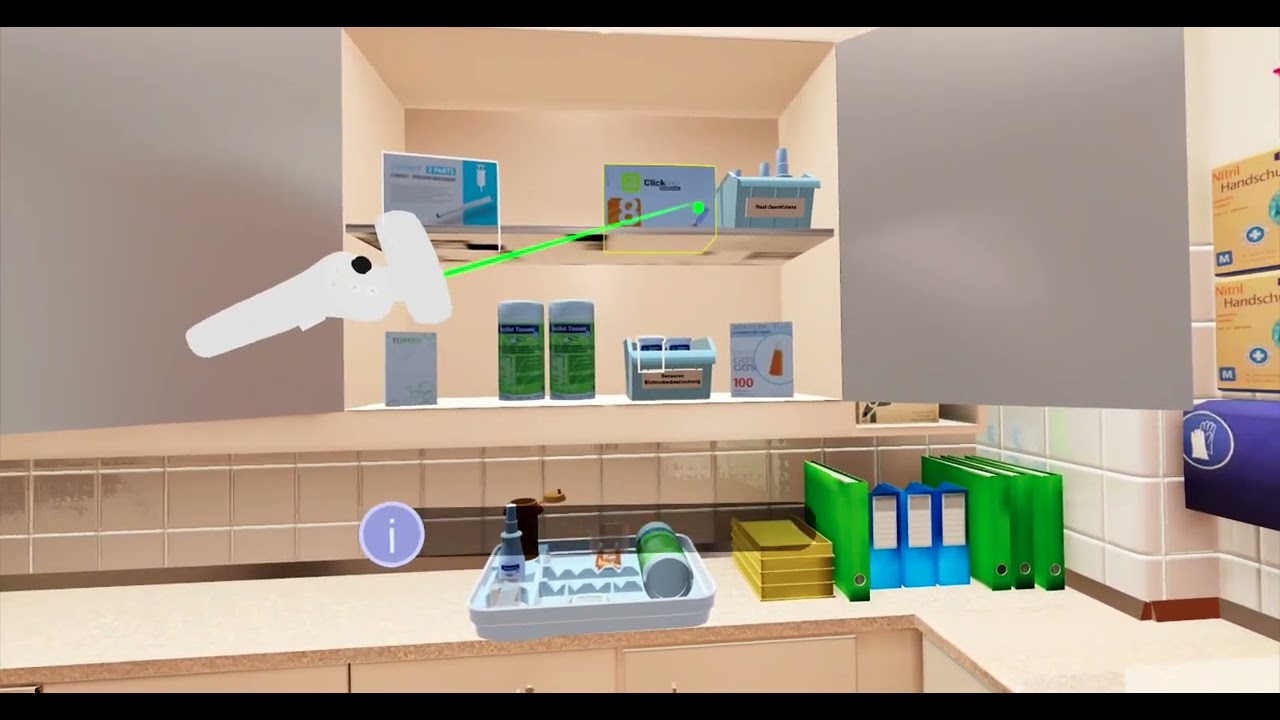
VR technologies have become established in various medical fields. For instance, VR is used in surgical training to simulate complex procedures without endangering real patients. An excellent example of this is the simulation program from companies like Osso VR, which offers surgeons a realistic training environment. VR is also used in psychotherapy, for example, in treating phobias or PTSD, by allowing patients to confront their fears in a controlled and safe manner.
Influence of VR in the Pharmaceutical Industry
In the pharmaceutical industry, VR enables a deeper understanding of how medications work. Using VR headsets, researchers can delve into the molecular structure of drugs and observe their interactions at the cellular level. This innovative approach not only leads to a better understanding of medications but also to accelerated development processes for new preparations. For example, the company Pfizer uses VR technology to optimize the development of new drugs.
Challenges and Future Perspectives
Despite the impressive advances, users of VR technology in the medical and pharmaceutical industries face several challenges. These include the high costs of implementing and maintaining the technology, as well as the need for continuous staff training. Nevertheless, the potential of VR in these sectors is enormous, and we can expect further breakthroughs and innovations in the coming years.
Conclusion: potential and challenges
In summary, virtual reality offers enormous potential in the medical and pharmaceutical industries, both for the training of professionals and for educating the public. The technology enables a deeper understanding of how medications work and contributes to the improvement of medical research. Despite these advantages, we are still at the beginning of this development, and it remains to be seen how technological innovations can revolutionize the way we understand and treat diseases. With continuous research and development, VR will continue to play a key role in shaping the future of healthcare.