


The Role of Virtual Reality in the Film Industry: A New Era of Storytelling
Introduction: The Immersive Film
VR and 360° video have the potential to turn audiences from mere viewers into active participants within the cinematic world. This advancement pushes the boundaries of traditional storytelling by directly immersing viewers into the narrative, allowing them to experience stories in ways previously unimaginable. Is VR the next stage of the cinematic experience?
Immersion on the Next Level: VR and the Film Experience
VR movies promise a completely immersive experience that surpasses the technological offerings of 3D and IMAX. The immersion in VR allows you to immerse yourself in unfamiliar worlds and to not just see the action, but to actually live it. This potential for intense immersion opens up Filmmakers new creative freedoms and narratives that can be told from different perspectives. Here we explain the possibilities as well as the challenges associated with VR technology in the world of film.
New Creative Horizons and Educational Potential
Besides enriching entertainment value, VR also offers enormous educational potential. Documentaries in VR can convey complex topics like history or science in an informative yet vividly immersive way. This new dimension of creativity challenges filmmakers to conceive stories for a 360-degree format and revolutionize the art of filmmaking.
Challenges on the path to VR integration
Despite the great potential of VR in the film industry, there are also challenges. Critics see VR technology as a potential loss of the communal cinema experience, as each viewer immerses themselves in their own world. Furthermore, VR films are expensive to produce and technically demanding, making them less accessible to independent filmmakers. Technical limitations, such as resolution and headset comfort, also remain critical points.
More on the differences between a classic film production and a 360° film production
Critical Consideration: The Future of Cinema or a Passing Trend?
There are mixed opinions on whether VR represents the future of cinema or if it's merely a temporary trend. The long-term impact of VR films remains uncertain, and it remains to be seen whether they will establish themselves as a mainstream format or remain a niche for tech enthusiasts.
Lighthouse projects in cinematic VR that failed
These following examples illustrate that despite the initial VR euphoria around 2015 and the technology's potential, challenges concerning cost, technology, and market acceptance led to some of the most ambitious cinematic VR projects not
were successful. However, we must not forget that at that time, hardware was not as mature as it is today.
IMAX and VR: A Failed Experiment
IMAX is a company that specializes in developing and operating cinemas with large screens and immersive sound. In 2017, IMAX launched an experiment to bring VR and cinema together.
IMAX opened VR centers in several cities, specifically designed for VR experiences. These centers were equipped with special VR headsets and equipment intended to provide an immersive experience.
IMAX offers a range of VR experiences in its VR centers, including movies, games, and interactive experiences. The movies were mostly short documentaries or feature films designed for VR. The games were mostly simple arcade games that could be played with VR headsets. The interactive experiences were mostly short experiences that allowed viewers to interact with the virtual world.
However, IMAX's VR centers were not very successful. Attendance was low, and reviews were mixed. Eventually, these centers were closed in the first quarter of 2019.
Google Spotlight Stories
Google Spotlight Stories was an experimental project focused on developing short, interactive 360° films. Despite some successful short films and initial enthusiasm, Google discontinued the project in March 2019. The reasons for this were varied, including challenges with scaling and integration into Google's overall strategy.
Oculus Story Studio
Oculus Story Studio, an internal film studio of Oculus VR, focused on the development of VR films. Despite producing several award-winning VR short films like „Henry“ and „Dear Angelica,“ the studio was shut down by Facebook in May 2017. The closure was part of a strategic decision to focus more on supporting external developers.
Future of VR in Cinema
The future of VR in cinema is still uncertain. It's possible that VR experiences in cinemas will remain a niche market. However, it's also possible that VR will revolutionize cinema and lead to a new way of watching movies.
Only time will tell how VR and cinema will evolve in the future.
IMAX isn't the only company that has tried to bring VR and cinema together. Other companies, like AMC and Cineplex, have also offered VR experiences in their cinemas. However, these attempts have also not been very successful.
Do VR headsets bring the cinema home?

Apple Vision Pro expands the boundaries of the VR cinema world with an unprecedented resolution
With the introduction of Apple Vision Pro Apple is making significant strides in redefining cinema experiences for VR.
This innovative headset solves a long-standing problem – the inability to smoothly view existing 3D content, especially blockbuster movies, using Virtual Display (VD) technology.
Apple's new immersive video and display technology
Apple Vision Pro uses a novel format – Apple Immersive Video. These 180-degree shots in 8K, combined with Spatial Audio, offer a truly immersive experience.
However, the most significant innovation lies in Apple Vision Pro's display technology. It offers the highest resolution ever seen in a VR headset, delivering the clarity and detail necessary to truly immerse the viewer in the film.
Overcoming previous limits
This leap in quality surpasses the previous limitations of VR headsets, which, due to a lack of visual fidelity, were often unable to convey the cinematic experience.
New Era for VR Cinema?
Apple Vision Pro removes the limitations previously associated with purely 3D cinema experiences. Users can now purchase and enjoy these immersive recordings at their leisure, eliminating the need to go to the cinema specifically for them. This advancement represents a significant step in the evolution of VR cinema, offering viewers unparalleled depth, presence, and visual quality.
VR – The Future of Home Cinema?
While the use of VR headsets to simulate a virtual cinema environment is not new – the Oculus Go, the first standalone VR headset, already offered this possibility – the technology has evolved significantly. In 2023, the image sharpness, resolution, frame rate, and especially the ergonomics of VR headsets have improved considerably. Models like the Quest 3, which stand out for their lightness and ergonomic design, offer a much more enjoyable virtual cinema experience than three years ago. Although many households have 55-inch or larger televisions that can provide a mini-cinema experience at home, a VR headset that simulates a 20- to 30-foot screen offers an unparalleled experience.
Nevertheless, it must be remembered that going to the cinema is also a communal experience. The cinema experience in VR goggles is still mostly a rather solitary affair. Here, multi-user cinema apps like Big Screen offer a promising solution to overcome this drawback and enable shared movie experiences in virtual reality.
VR headsets like the Apple Vision Pro and the Quest 3 are capable of virtually simulating a large cinema screen. Isn't VR coming to the cinema, but rather the cinema coming to our homes with VR?
Apple promises with the Vision Pro that with their innovative feature called Cinema Environments, you can transform your room into a personal cinema with just a turn of the dial. According to FlatpanelsHD, there are a total of 13 virtual cinema environments to choose from when using the Apple Vision Pro.
The Apple Vision Pro offers an impressive visual and auditory experience. The screen inside the VR headset simulates a 100-foot-wide screen directly in front of your face. The micro-OLED displays deliver 4K resolution and 64 times the pixel density of the iPhone – all within the size of a postage stamp. The Vision Pro's audio pods provide immersive sound that can be customized to your individual preferences thanks to Apple's Personalized Spatial Audio. Not only do the display and audio pods contribute to an impressive experience, but support for 3D videos further enhances immersion.
Shared Virtual Reality Cinema Experiences with Big Screen
Big Screen is a VR app that allows users to watch movies and other content together in a virtual environment. The app is compatible with a range of VR headsets, including the Oculus Quest 2, the HTC Vive, and the PlayStation VR.
Big Screen offers a range of features that make it an ideal solution for shared Virtual Reality Creating cinema experiences. This includes:
- Compatibility with a wide range of VR headsets: This makes the app accessible to a broad audience.
- Multi-user support: Up to 16 users can gather simultaneously in a virtual cinema environment.
- Customizable Environments: Users can customize the virtual cinema environment to their own preferences.
- Support for various content: Big Screen supports a variety of content, including movies, TV shows, games, and music videos.

Examples of virtual reality or 360° films in the film industry
In recent years, some remarkable VR projects in the film industry have redefined the way we experience movies. There are many exciting projects in this field, here is just a small sample.
- Meat and Sand Director Alejandro González Iñárritu presents a VR installation that makes the harsh reality of refugees and immigrants a tangible experience.
- The Lion King VR: For the remake of the Disney classic ‚The Lion King,‘ director Jon Favreau used VR technology to make the cinematic world explorable for the film crew.
- Ready Player One VR: Based on Steven Spielberg's film, this experience allows users to dive into the OASIS and become part of the sci-fi world.
- Henry: A VR short film from Oculus Story Studio that tells an emotional story about a lonely hedgehog searching for friendship.
- The Martian VR Experience Based on the movie ‚The Martian,‘ users can step into the role of Mark Watney and experience the challenges on Mars themselves.
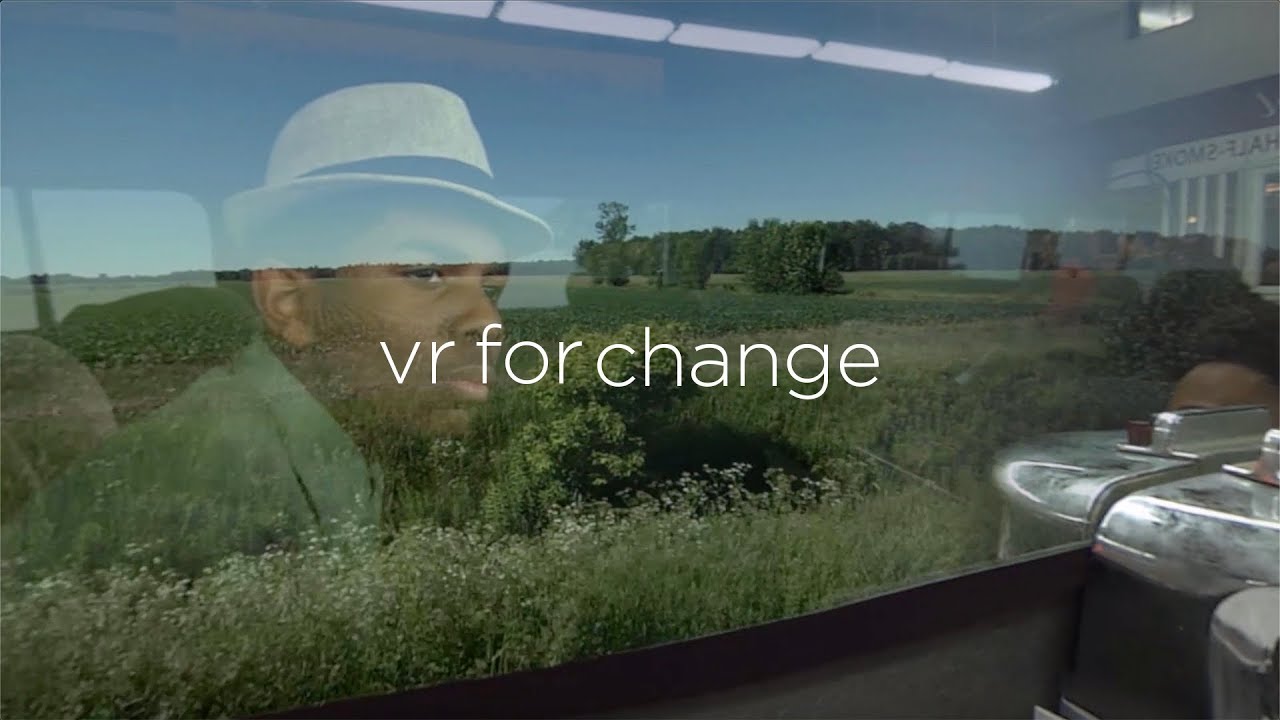
- Traveling While Black: A VR documentary that addresses the restrictions and difficulties of the African American community during the Jim Crow era in the US.
These examples show that VR is more than just a means of entertainment; it is a powerful tool that can be used to evoke empathy and tell complex stories in a way that the audience not only observes but experiences.
Playlist
2:10

1:34

1:19
Conclusion
Despite many promising approaches to combining virtual reality with cinema, this combination has not yet caught on in the mass market. The reasons lie primarily in the hardware, which continues to be the biggest obstacle. A longer cinema experience with a VR headset remains a challenge due to comfort and weight. However, the future could be promising if these aspects are improved, as virtual reality offers a more immersive experience that can transport viewers to fantastic worlds.
Frequently Asked Questions
Virtual reality offers an immersive experience that allows viewers to dive deeper into the action than traditional screens.
The hardware, particularly the weight and comfort of the headsets, still represents a significant hurdle.
Besides weight and comfort, the ergonomics of headsets are also a problem that makes prolonged use uncomfortable.
If the ergonomics and weight of headsets improve, VR could revolutionize the cinema experience and offer a more immersive experience.


