Virtual reality (VR) is revolutionizing the art of storytelling. This immersive medium is increasingly being used by filmmakers and writers to tell stories in a compelling, interactive environment.
The Uniqueness of VR Storytelling
VR offers a unique way to tell stories. Unlike traditional media, VR allows users to fully immerse themselves in the story and become a part of the narrative universe. This immersion fosters a deeper emotional connection that is difficult to achieve in other media.
Successful examples of VR storytelling
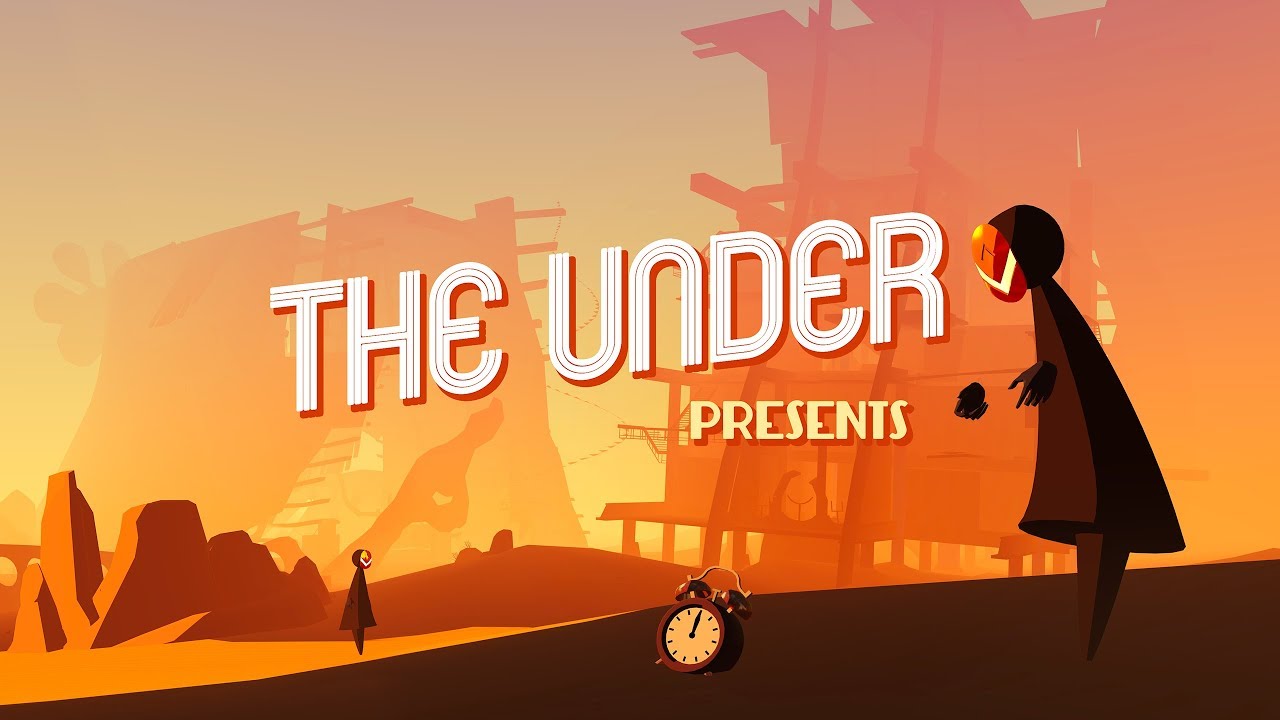
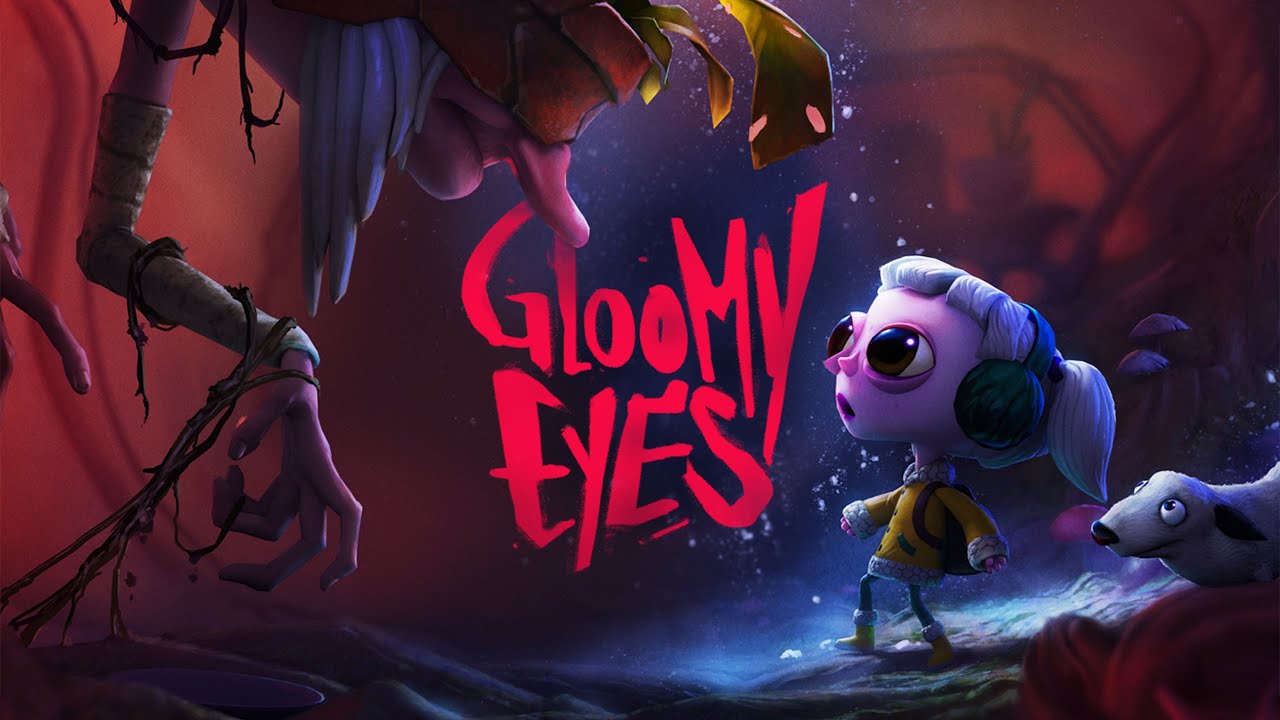
Some striking examples of VR storytelling include projects like „Wolves in the Walls,“ based on Neil Gaiman's book, and „Dear Angelica“ by Oculus Story Studio. These works utilize VR technology to create an interactive and immersive narrative experience that directly engages the viewer in the story. Other notable examples include „The Under Presents“ and „Gloomy Eyes,“ both of which showcase unique storytelling styles embedded in VR.
Critical Examination of VR Storytelling
Despite its impressive capabilities, VR storytelling faces challenges. The production of VR content can be both costly and time-consuming. There are also concerns regarding accessibility, as not everyone owns or can use the necessary hardware. This greatly limits the distribution possibilities for VR storytelling content.
Long-term perspectives
The future of VR storytelling looks promising. As technology advances and costs decrease, VR will become accessible to a broader audience. This opens the door for even more innovative and interactive narrative formats.