Virtual Reality (VR) is a technology that has gained increasing popularity in recent years. It offers companies the opportunity for new and innovative ways of collaboration, training, and Product Presentation to use.
When choosing a VR device for business applications, it is important to consider the individual requirements and needs of the company. Among the most important factors are resolution and image quality, field of view, the reliable tracking, the battery life, the ergonomics, Hygiene and support for business applications.
Virtual Reality (VR) is being used in more and more companies. VR headsets offer a number of advantages for business applications, such as:
- More effective training and education
- Improved productivity
- Improved collaboration
When choosing a VR headset for business purposes, in addition to resolution, tracking, and performance, other factors are also important and particularly relevant in a business context, such as:
- Kiosk Mode
- Compatibility with Enterprise Applications
- Security and Compliance
- Mobile Device Management
Business Feature: Kiosk Mode
The Kiosk mode (also called „Single-Use mode“) is a feature available on some VR headsets. In this mode, the headset is restricted to a specific application or a limited number of applications, and the user cannot easily access other applications or settings. Kiosk mode can also be enforced through third-party Mobile Device Management systems if this feature is not supported by the headset manufacturer.
Kiosk mode is particularly useful in situations where the VR headset is used in public areas, such as in exhibitions, museums, Measure or at trade fairs. By limiting access to other applications and settings, users can only access the specific applications relevant to the respective event or occasion. This reduces the risk of unwanted user behavior and interactions, and control over the VR experience remains in the hands of the operator. Kiosk mode can also be useful for employee training or conducting presentations to ensure that users access the relevant materials and do not get distracted.
Additional Sensors: Eye tracking and face tracking
Eyetracking and Face tracking In VR headsets are particularly valuable in the corporate sector because they improve the user experience by enabling more natural and intuitive interaction with the virtual environment. These technologies are crucial for efficient training and realistic simulations, especially in areas such as education and professional training.
Stand-alone glasses with eye and face tracking
Face and eye tracking are still relatively new in standalone VR headsets. The first models with this technology were only released in 2022. However, the technology has been rapidly developed in recent years, and it is expected that it will be available in more and more standalone VR headsets in the future.
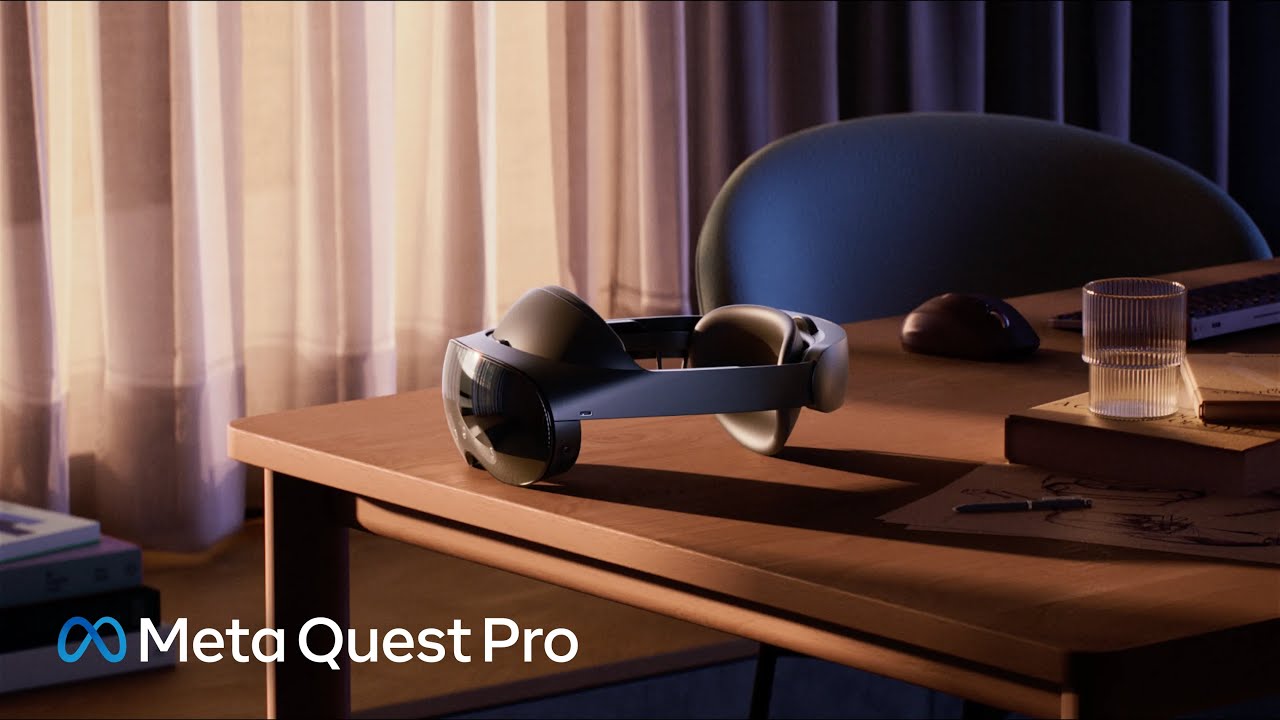
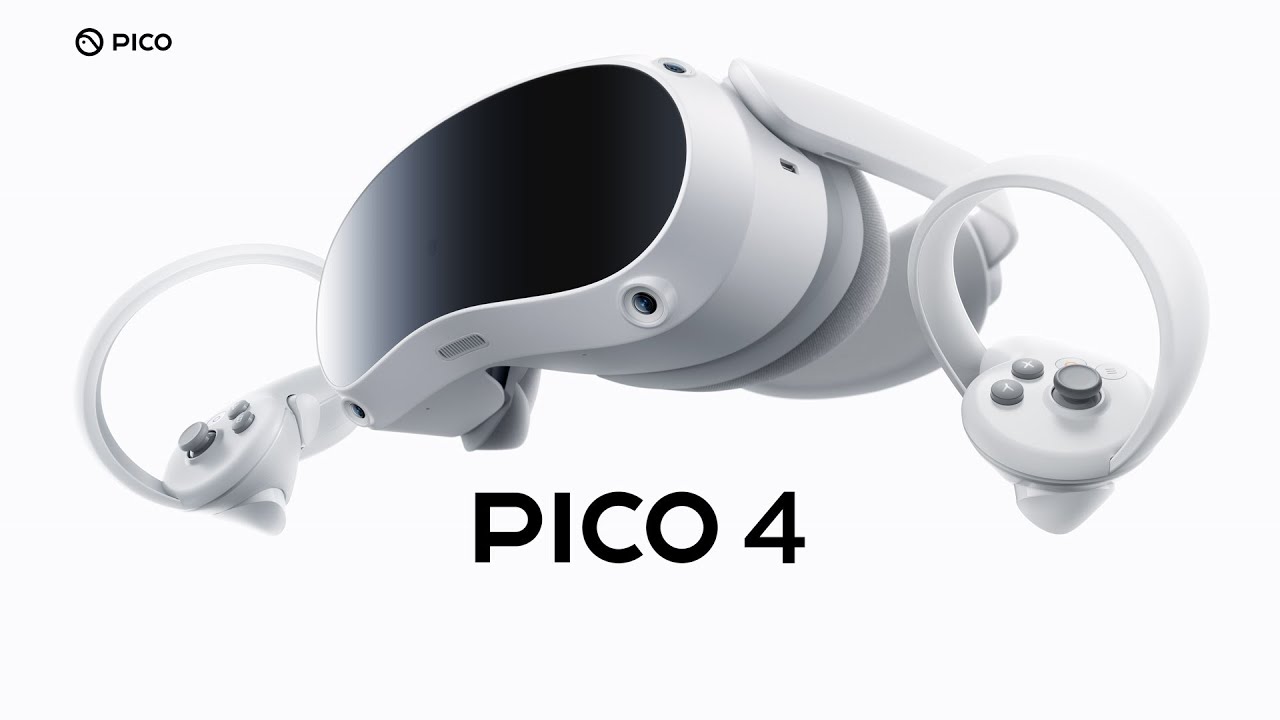
The Pico 4 Enterprise and Meta Quest Pro support this technology. The HTC XR Elite can be upgraded with an eye-tracking module.
PC VR Headsets with Eye and Face Tracking
To meet these requirements, HP has HP Reverb Omnicept launched. The HP Reverb Omnicept is a high-end virtual reality headset. It features a number of sensory functions, making it a powerful tool for a variety of applications. One of the most important features of the HP Reverb Omnicept is the Omnicept sensor system. This system uses a variety of sensors to capture data about the user, including eye movements, muscle activity, and heart rate. This data can then be used to improve the user experience or create applications that are tailored to the individual needs of users.
Varjo: Business Headsets for High Demands
Varjo offers business headsets for the highest demands regarding image clarity and field of view. The Varjo headsets feature a resolution of 4K per eye, resulting in a sharp and immersive image. Varjo headsets are a worthwhile investment for companies looking for a powerful and reliable VR headset for use in professional environments. However, they are also relatively expensive, with prices starting at $2,500. Due to the high-end displays installed, Varjo's VR headsets are significantly larger compared to other headsets. Ergonomics suffer as a result of this fact.
Apple Vision Pro
Apple promises to permanently change the high-end VR headset market for business applications with the Apple Vision Pro, announced for 2024. At over €3500, the headset is in Varjo's price segment and also relies on high resolution and state-of-the-art tracking sensors. Naturally, as always, Apple scores with user-friendliness and design.
Hygiene Challenges with VR Headsets
The facial interface of a VR headset is a potential hygiene problem area. The facial interface on consumer VR headsets is typically made of foam or another soft material that can absorb sweat and dirt.
Proper cleaning and disinfection of your VR headset's face cushion are important to prevent the spread of bacteria and germs. When purchasing a VR headset, make sure the face cushion is removable and washable. This is particularly important in a business context when a VR headset is shared and worn by many different people.
The Dangers of Unsanitary Face Masks
The potential dangers of unhygienic face masks are varied…
VR headsets from different manufacturers approach the issue of washable face cushions in quite different ways.
Washable face rests can generally be ordered as an accessory for all major manufacturers.
More on the topic of hygiene for VR headsets.
Device Configuration and Management:
Device Configuration and Management
Device configuration and management is an important aspect of managing VR headsets in enterprises. It allows companies to manage devices centrally and ensure they comply with company policies.
Mobile Device Management (MDM) solutions enable companies to centrally manage a variety of mobile devices, including VR headsets. With MDM solutions, companies can perform the following tasks:
- Software Installation and Updates
- Settings Configuration
- Ensuring policy compliance
Most VR manufacturers offer their own MDM solutions for their headsets. These solutions are usually tailored to the respective headsets and offer a range of features suitable for business use.
In addition to the MDM solutions from VR manufacturers, there are also software providers that offer mobile device management solutions for VR headsets as a service. These solutions are usually not specific to a particular headset and offer a range of features suitable for business use.
MDM solutions offer companies a range of benefits when managing VR headsets. These include:
- Increased security
- Improved performance
- Increased usability
MDM solutions are an important tool for companies that use VR headsets in a business setting. They offer a range of benefits that can help companies ensure the security, performance, and ease of use of the devices.
Here are some examples of MDM solutions for VR headsets:
- HTC Vive: Vive Manager
- Pico: Pico MDM
- Meta: Quest for Business
- 42Gears: SureMDM for VR
- ArborXR: ArborXR MDM
- AirWatch: AirWatch for VR
There are various VR headsets that can also be suitable for business purposes, depending on the company's requirements and needs.
However, some headsets have special features that other VR glasses lack, which are particularly relevant in a business environment.
Here's an overview of VR headsets on the market.
| VR headset | Price | Wireless or Wired | Resolution | Kiosk Mode | Good for cleaning |
| Oculus Quest 2 | 300€ (64 GB), 399€ (256 GB) | Wireless | 1832 x 1920 per eye | Yes | No |
| Pico Neo 3 Pro | 650€ | Wireless | 3664 x 1920 | Yes | Yes |
| Pico G2 4K | 480€ | Wireless | 3840 x 2160 | Yes | Yes |
| Meta Quest Pro | €1200 (no longer available) | Wireless | 1800 x 1920 pixels per eye | No | Yes |
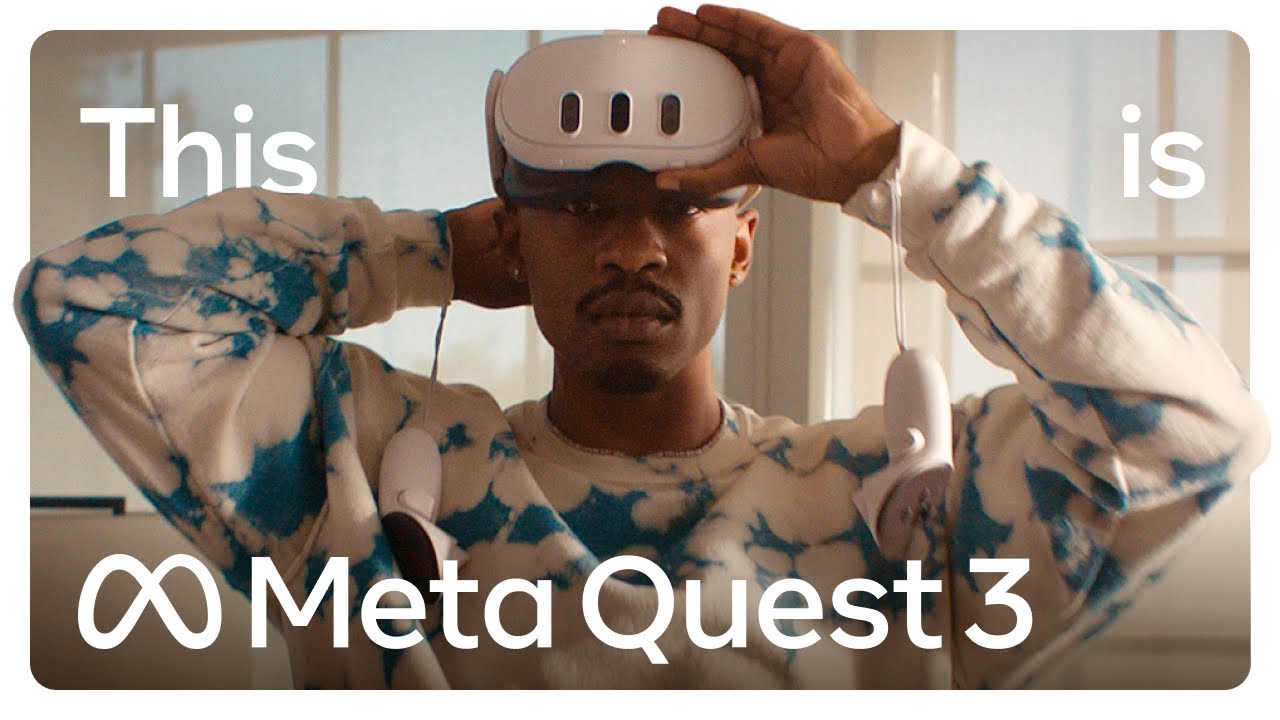
| Meta Quest 3 | 699€ | Wireless | 2064 x 2208 pixels per eye | No | Can be expanded |
| HTC Vive Focus 3 | 950€ | Wireless | 2448 x 2448 per eye | Yes | Yes |
| HP Reverb G2 | 500€ | Wired | 2160 x 2160 per eye | No | No |
| Valve Index | 900€ | Wired | 1440 x 1600 per eye | No | No |
| HTC Vive Pro 2 | 1,200€ | Wired | 2448 x 2448 per eye | Yes | No |
| Varjo XR-3 | 5,995€ | Wired | 3664 x 1920 per eye | Yes | No |
| Pico 4 Enterprise | 900€ | Wireless | 2160 x 2160 pixels per eye | Yes | Yes |
| HTC Vive XR Elite | 1.099€ | Wireless | 1920 x 1920 pixels per eye | Yes | Yes |
| Apple Vision Pro | Under €3500 | Wired | 1920 x 1920 pixels per eye | Yes | Yes |
Which headset is right for you depends on what's important to you: data privacy, enterprise features, performance, or ergonomics.
Unfortunately, there isn't a VR headset yet that excels in all areas. The decision is yours.
Meta Quest 3 Performance
Currently, the Meta Quest 3 represents the pinnacle in terms of performance. It clearly outperforms its competitors from HTC and Pico. Therefore, if you Standalone headset looking for a focus on high performance, the Quest 3 is an almost unavoidable choice.
Privacy concerns at Meta
Despite its excellent performance, the QS 3 has some disadvantages, particularly in the area of data protection. Meta is considered a problematic partner, and although improvements are promised by the „Quest for Business“ program, it remains relatively opaque to outsiders and is not yet available in Germany.
Alternatives: Pico and HTC
In terms of data privacy, Pico offers a more secure alternative and allows for written confirmations of data privacy compliance. The same applies to HTC. However, both brands currently lag behind the Quest in terms of performance. The Pico 4 Enterprise and the HTC Vive XR Elite are considered solid VR headsets, but they are priced higher than the Quests.
Price comparison
Price-wise, the Quest 3 is around €600, the Pico 4 Enterprise is approximately €900, and the HTC Vive XR Elite is about €1000.
PC-based headsets for demanding applications
If you are looking for a solution for hardware-intensive applications, a PC-based headset might be the better choice. These do not necessarily have to be wired, as modern standalone headsets support streaming solutions.
Recommendation for wired headsets
For presentations with a seated audience, a wired variant like the HP Reverb G2 for around €500 might be more advantageous.
High-End Option: Vaio Headsets
For a larger budget, Vaio headsets are worth considering. They offer top performance in resolution and field of view size, but are significantly more expensive with prices over €4,000 and also larger in build.
Frequently Asked Questions (FAQ)