VR in Museums and Historic Sites

VR for historical education Virtual Reality (VR) is revolutionizing the way we experience and understand history. Especially museums

VR for historical education

VR for historical education

Virtual Reality (VR) is revolutionizing the way we experience and understand history. Museums and historical sites in particular are using this technology to immersive time travel to offer, the story for younger generations accessible and fascinating do. VR offers the opportunity not only to view historical events and eras, but to experience them.

Immersion and Education: A New Way to Experience History

The immersive nature VR creates a unique learning experience. Users can wander through virtual replicas of historical sites, participate in significant events, or even interact with historical figures. This type of presentation can be particularly engaging for younger people who have grown up with digital technologies.

Accessibility and Inclusion

Another advantage of VR in historical contexts is Accessibility. People who cannot travel in person for various reasons are given the opportunity to experience places and events they might otherwise never see. This promotes a inclusive educational environment, where knowledge and experiences are accessible to everyone.

History in VR

7 Videos
1943 Berlin Blitz Immerse yourself in a WWII VR simulation and pilot a Lancaster bomber during the dramatic air raids on Berlin in 1943. Developed by BBC Northern Ireland and Immersive VR Education, this experience places you in the heart of an intense aerial battle, where you must evade enemy flak and navigate through blinding searchlights to deliver your bomb load over the German capital.

Anne Frank House VR  Step into the Anne Frank House in Amsterdam on a VR time journey and experience history through Anne's eyes. This interactive experience from Crossminds and Google Arts & Culture allows you to explore Anne's hiding place, discover hidden objects, and develop a deeper understanding of her life and legacy during the Holocaust.

Apollo 11 VR Embark on a virtual journey to the moon landing with the Apollo 11 mission through an immersive VR experience from Immersive VR Education. Be part of the historic journey of Neil Armstrong, Buzz Aldrin, and Michael Collins, and experience the rocket launch, moon landing, and return to Earth firsthand.

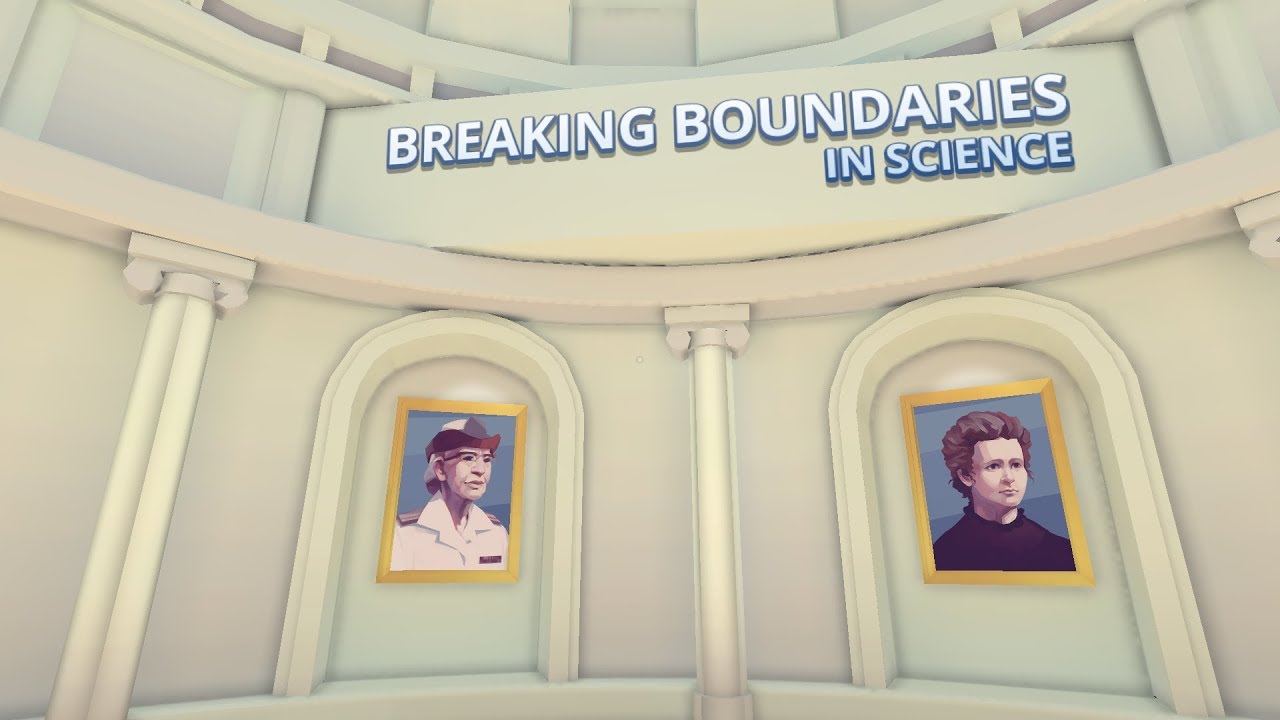
Breaking Boundaries in Science Explore the world of science and technology in a series of VR experiences from Google Arts & Culture. Immerse yourself in the mysteries of the human body, explore the depths of the ocean, or witness the birth of a star in a fascinating virtual environment.

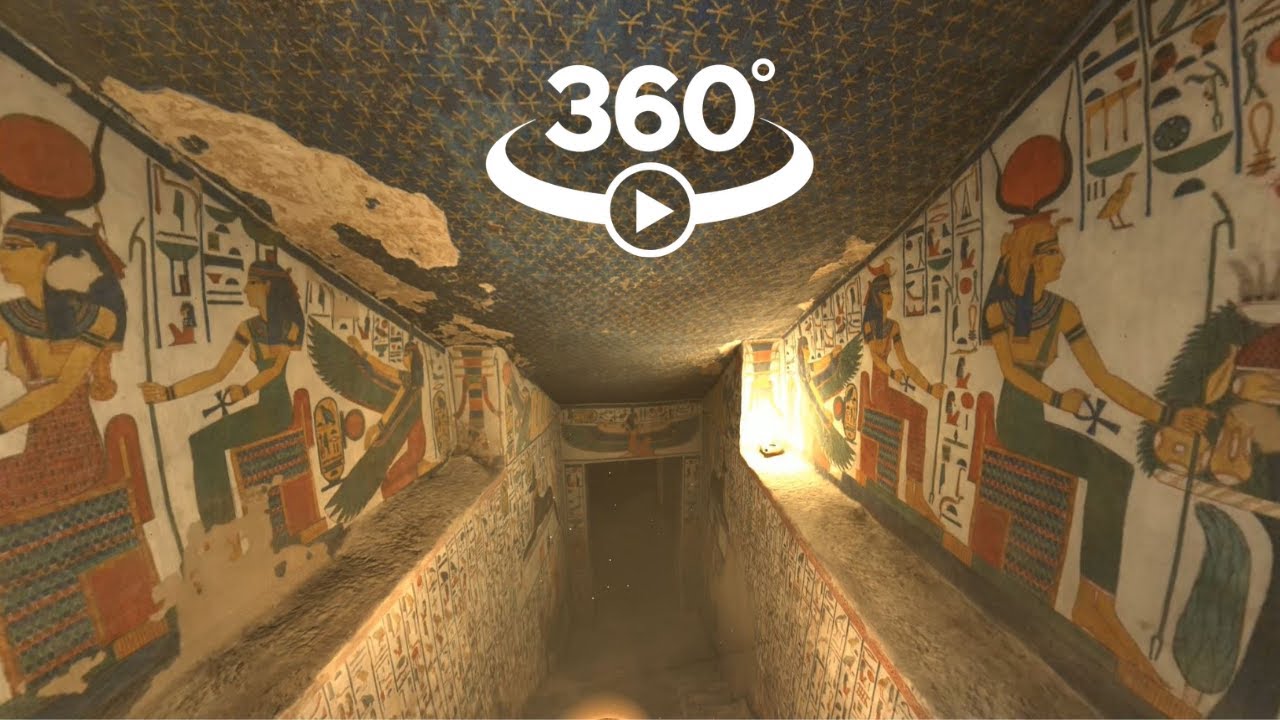
Discover Egypt: King Tut's Tomb  Dive into ancient Egypt and discover Tutankhamun's tomb in a VR experience from Google Arts & Culture. Explore the tomb's treasures, including the iconic golden mask, and learn more about the young pharaoh's life and death.


Outlook

Overall, VR offers enormous potential in historical education. The technology creates new opportunities for engagement and understanding of history, especially for younger generations. While there are challenges, the positive impact of VR on teaching history remains undeniable. It is an exciting time for museums and educational institutions to leverage this technology to Bridges between past and present to build.

Frequently Asked Questions (FAQ)

On walk-in reconstructions of historical sites, on contemporary witness formats, and on the reenactment of concrete events. Instead of looking at illustrations in a book, learners stand in the space and directly experience scale, confinement, expanse, and atmosphere.

The Anne Frank House VR, created with Google Arts & Culture, Apollo 11 VR by Immersive VR Education about the moon landing, and the BBC's „1943 Berlin Blitz,“ which translates a historical audio recording into a walkable scene.

Above all, spatial comprehension and emotional closeness. Proportional relationships, distances, and confinement cannot be narrated, only experienced—and precisely that is proven to remain in memory much better than a description.

VR makes places accessible that remain out of reach for health, financial, or geographical reasons—from archaeological sites to memorial sites abroad. The rule of thumb here is that content should also be available without a headset so that no one is excluded.

Every reconstruction makes decisions about the uncertain—colors, furnishings, lighting. What is established and what is interpretation must remain recognizable. In addition, difficult topics require careful didactic embedding; immersion without guidance can be overwhelming.

Best as a supplement to the original, not as a replacement: the reconstructed state next to the preserved fragment, the walkable context to the exhibited object. This includes short experience durations, clear supervision, and a hygiene concept for changing visitors.

Clarence Dadson

Interested in a VR application for your company?

From the initial idea to the finished VR application — we advise you on concept, hardware, and implementation.

Clarence Dadson · CEO Design4real

+49 179 3927971
·
info@design4real.de
·
Lindwurm St. 95a, Munich