The Significance of Haptic Technology in VR and AR
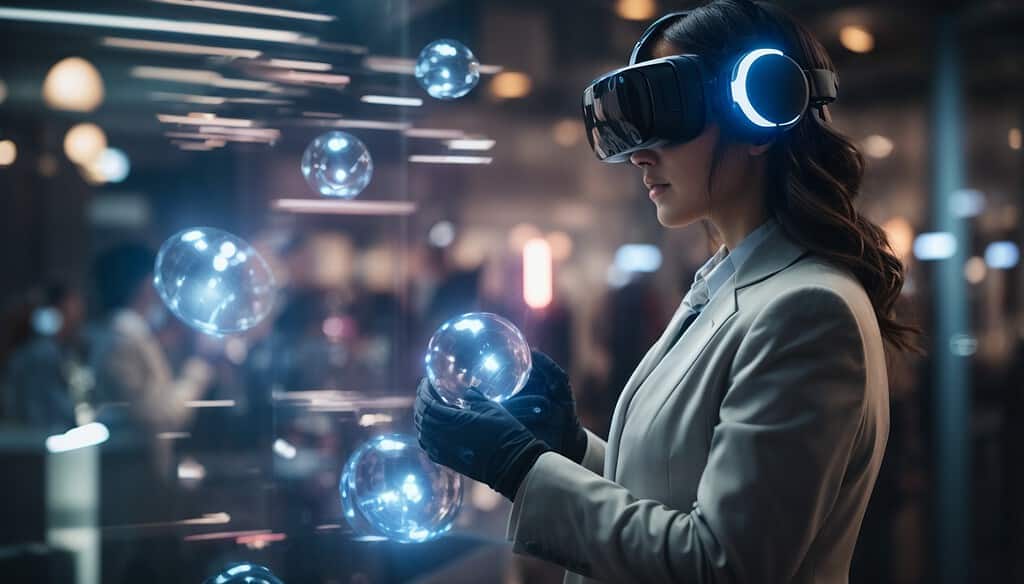
The world of virtual (VR) and augmented reality (AR) has reached a new dimension of interaction and immersion through the integration of haptics. Haptic technology allows users to experience physical sensations in a digital world, which significantly enriches the overall experience.
Haptic technology in virtual reality (VR) and augmented reality (AR) refers to systems and devices that allow users to experience physical sensations while immersed in a virtual or augmented environment. This technology aims to enhance the user experience by adding a tactile dimension, leading to increased immersion and a more realistic experience. Here are some key aspects of haptic technology in VR and AR:
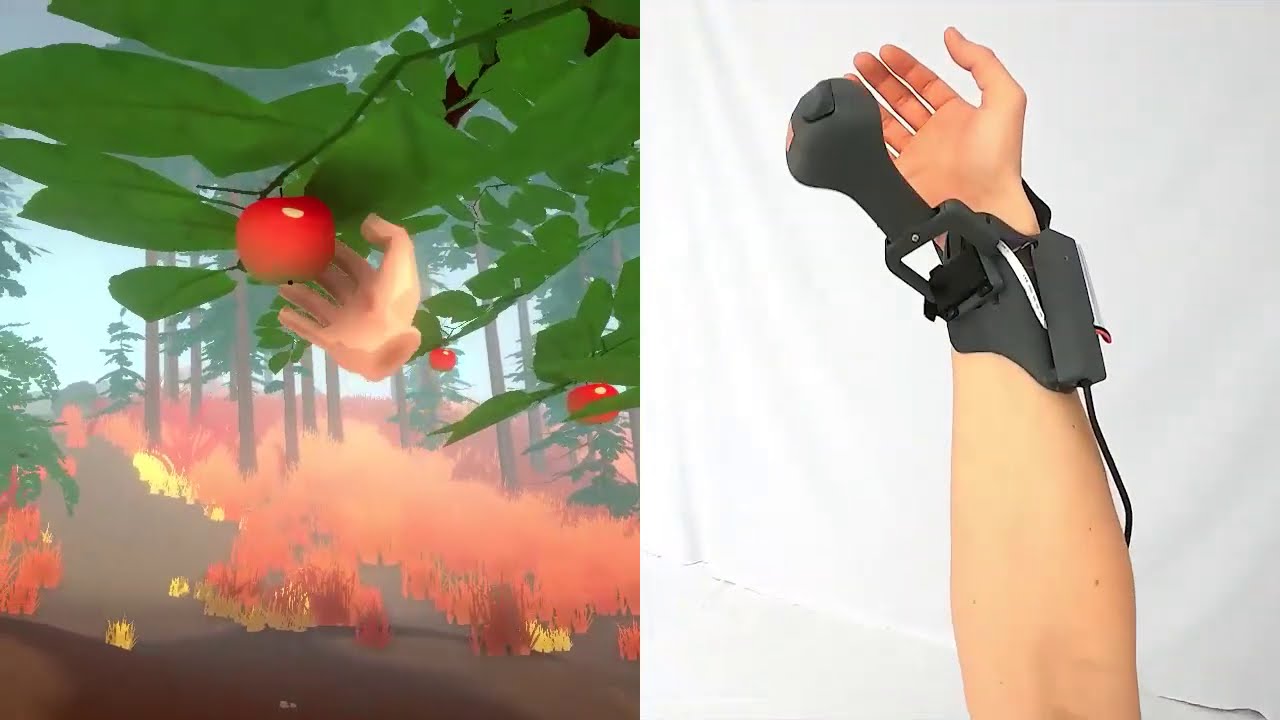
Tactile Feedback Haptic devices create physical sensations that make users feel like they are truly touching or manipulating virtual objects. This can be achieved through vibrations, pressure, or even temperature changes.
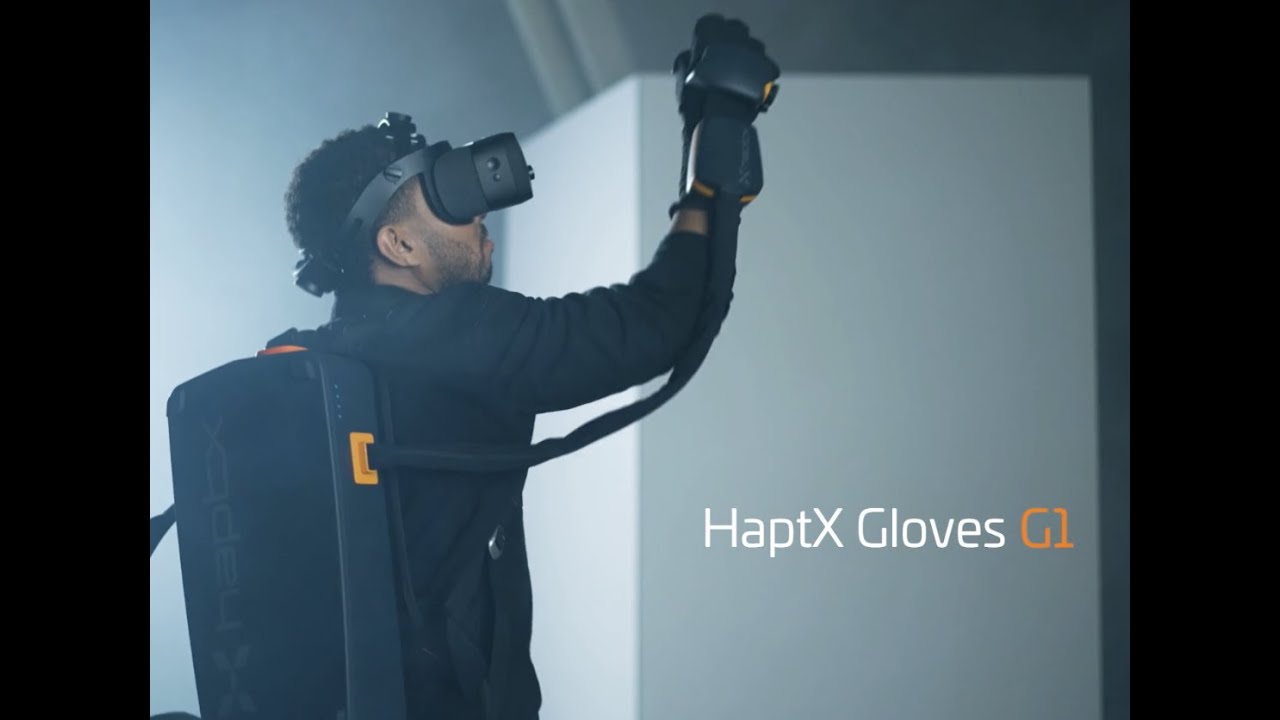
Haptic gloves and suits: Special gloves or suits can provide wearers with detailed haptic feedback. They can convey the feeling of texture, shape, and weight of virtual objects, and even simulate resistance when interacting with virtual objects.
In virtual reality, haptic devices, such as gloves or suits, allow users to „feel“ virtual objects. This technology creates a sense of presence that is missing in traditional VR experiences without haptic feedback. In AR, haptic feedback expands the possibilities of applications by allowing users to interact with virtual elements in the real world.
Some of the leading companies in this field, such as HaptX and SenseGlove, have already developed innovative haptic devices for VR/AR. These devices simulate realistic touch sensations and temperature changes, which significantly increase engagement and immersion in virtual environments.
Haptic gloves
Haptic suits
The Teslasuit is a full-body haptic suit that offers a realistic simulation of touch and forces on the entire body. It uses a combination of electromyostimulation (EMS) and transcutaneous electrical nerve stimulation (TENS) to create a wide range of tactile sensations.
Haptic technology can be used in VR experiences in less drastic yet impactful ways to enhance immersion and the sense of reality. An example that well illustrates the capabilities of haptic technology is the simulation of natural environments or everyday scenarios.
Imagine you are in a virtual simulation of a forest. With a haptic suit, you could feel the wind on your skin, the touch of leaves, or the sensation of walking on different surfaces like grass, sand, or gravel. These subtle yet realistic haptic feedbacks can create a deep sense of presence and make the experience significantly more authentic.
In another scenario, you could be standing in a virtual kitchen, experiencing the sensation of cutting vegetables on a cutting board. The resistance you feel when cutting, or the vibration of the knife's edge on the board, would be perceptible through haptic gloves. Such realistic experiences can not only enhance immersion but also be valuable for educational and training scenarios.
A full haptic suit, offering feedback from head to toe, can significantly enrich the user experience in such scenarios. This technology allows for the replication of a variety of sensory experiences found in the real world, authentically reproducing them in a virtual context. This makes VR experiences not only more immersive but also more versatile and user-friendly for a wide range of areas such as education, training, entertainment, and more.
Although haptic technology has the potential to revolutionize VR and AR experiences, there are also challenges. The cost of advanced haptic devices can be high, and integration into existing systems often requires significant customization. Additionally, the industry faces the challenge of balancing realism with user comfort.
In summary, haptic technology offers enormous potential in VR applications and AR experiences to enhance user experiences and create new possibilities for interaction and immersion. While challenges still need to be overcome, the advancements in this field are a promising step towards an even more realistic and interactive digital world.
Are you interested in developing a virtual reality or 360° application? You may still have questions about budget and implementation. Feel free to contact me.
I am looking forward to you
Clarence Dadson CEO Design4real